
Robin’s Egg Peanut Butter Easter Eggs
Easy Peanut Butter Easter Eggs with Robin’s Egg Coating
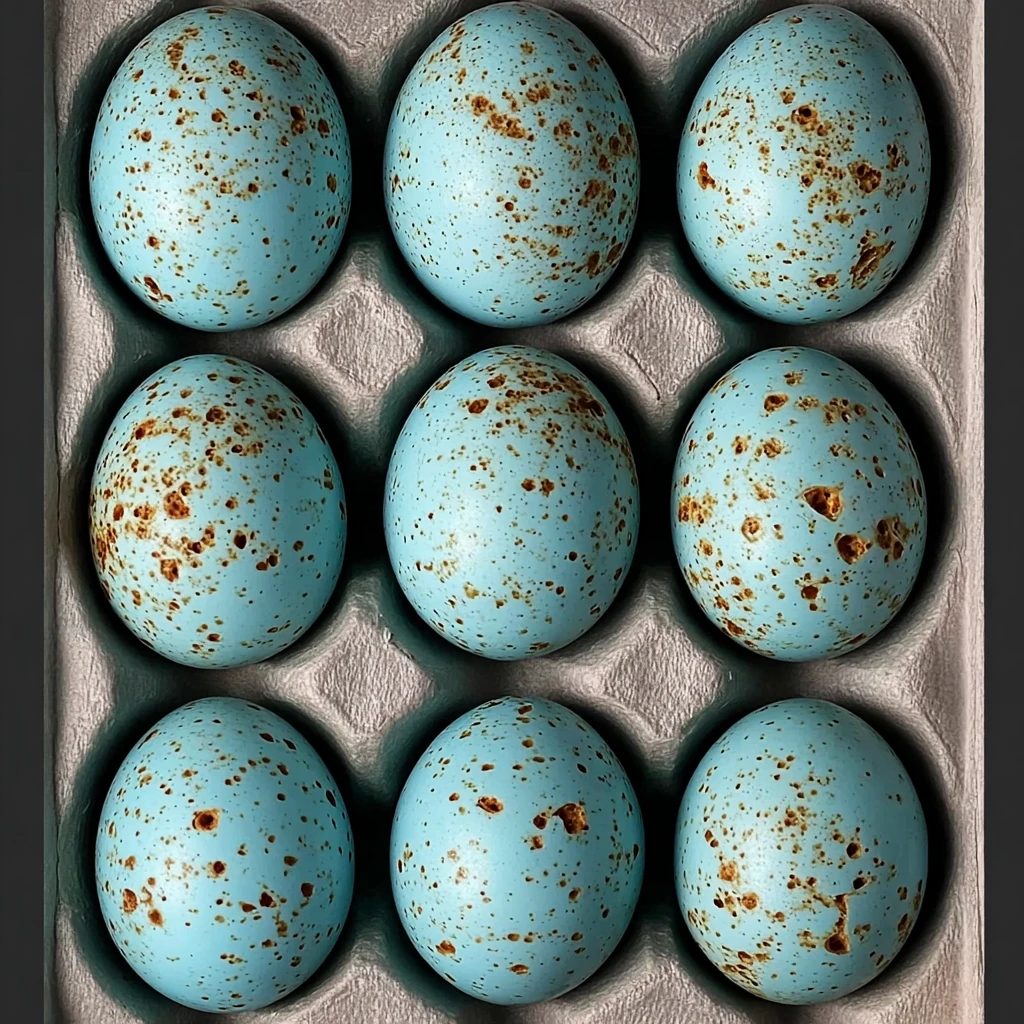
These homemade peanut butter Easter eggs are coated in speckled white chocolate to look just like real robin’s eggs. With a creamy peanut butter filling and a candy shell drizzled in pastel colors, they are one of the best no-bake Easter treats you can make at home. Ready in about 30 minutes with simple pantry ingredients, these homemade Easter candies taste better than store-bought and make a beautiful addition to any spring dessert table.
Inspired by the colorful Robin’s Egg candies that appear every spring, these peanut butter eggs combine the rich, nutty flavor of peanut butter with the sweetness of white chocolate and candy melts. The speckled finish gives them a charming, handmade look that makes them perfect for Easter baskets, spring parties, or as a thoughtful edible gift.
Why This Peanut Butter Egg Recipe Works
This recipe stands out because it uses a foolproof ratio of peanut butter, powdered sugar, and butter that holds its shape perfectly when dipped. Unlike many homemade peanut butter egg recipes that fall apart during coating, this filling stays firm while remaining soft and creamy inside. The white chocolate coating provides a smooth canvas for the colorful speckled drizzle that makes these eggs look like real robin’s eggs.
The recipe is also incredibly beginner-friendly. There is no baking, no candy thermometers, and no complicated techniques. If you can mix, shape, and dip, you can make these Easter peanut butter eggs. Kids love helping with the shaping and drizzling steps, making this a fun family Easter activity.
Ingredients You Will Need
Here is everything you need to make these robin’s egg peanut butter eggs:
- Creamy peanut butter — Use a standard brand like Jif or Skippy. Natural peanut butter is too oily and will not set properly.
- Powdered sugar — Gives the filling sweetness and structure so the eggs hold their shape.
- Butter, softened — Adds richness and helps bind the filling together.
- Vanilla extract — Rounds out the peanut butter flavor with warmth.
- White chocolate chips — Creates the smooth base coating that mimics a real egg shell.
- Candy melts (assorted colors) — Used for the colorful speckled drizzle. Choose pastel blues, greens, and pinks for an authentic robin’s egg look.
How to Make Peanut Butter Easter Eggs Step by Step
Step 1: Make the Peanut Butter Filling
In a large mixing bowl, combine the creamy peanut butter, powdered sugar, softened butter, and vanilla extract. Mix with a hand mixer or sturdy spoon until the mixture is smooth, thick, and pulls away from the sides of the bowl. If the mixture feels too soft, add a tablespoon more powdered sugar at a time.
Step 2: Shape into Eggs
Scoop about 2 tablespoons of the mixture and roll it into a ball between your palms. Gently press and shape it into an oval egg shape. Place each egg on a parchment-lined baking sheet. Freeze for at least 15 minutes until firm — this is critical for clean dipping.
Step 3: Coat in White Chocolate
Melt the white chocolate chips in a microwave-safe bowl in 30-second intervals, stirring between each, until completely smooth. Using two forks, dip each chilled peanut butter egg into the melted white chocolate, letting the excess drip off. Return to the parchment paper.
Step 4: Add the Robin’s Egg Speckle
Melt the candy melts in separate bowls by color. Using a fork, flick and drizzle the melted candy over the white chocolate-coated eggs to create a speckled, robin’s egg pattern. Work quickly before the candy melts thicken. Let the eggs set at room temperature or in the refrigerator for 10 to 15 minutes.
Expert Tips for Perfect Peanut Butter Eggs
- Chill the filling well — The colder the peanut butter filling, the easier it is to shape and dip without crumbling or melting into the chocolate.
- Do not overheat the chocolate — Overheated white chocolate seizes and becomes clumpy. Use low heat and stir frequently.
- Use a toothbrush for speckles — For a more realistic robin’s egg look, dip an old toothbrush into melted cocoa-tinted candy and flick it across the eggs.
- Work in batches — Keep unused peanut butter eggs in the freezer while you dip, so they stay firm.
- Add a pinch of salt — A tiny bit of sea salt in the filling elevates the flavor by balancing the sweetness.
Variations and Substitutions
This classic recipe is easy to customize:
- Almond butter or cashew butter — Swap the peanut butter for a different nut butter if you have allergies or want a new flavor.
- Dark chocolate coating — Use dark or milk chocolate instead of white chocolate for a richer, more traditional peanut butter egg.
- Add crushed pretzels — Mix a handful of crushed pretzels into the filling for a sweet-salty crunch.
- Sea salt topping — Sprinkle flaky sea salt on top before the chocolate sets for a gourmet touch.
- Natural food coloring — Use spirulina for blue and matcha for green to make the robin’s egg coloring all-natural.
How to Store Peanut Butter Easter Eggs
Store your fresh peanut butter eggs in a single layer in an airtight container in the refrigerator. They will keep for up to 2 weeks. For longer storage, freeze them in a freezer-safe container with parchment paper between layers for up to 2 months. Thaw in the refrigerator for 30 minutes before serving.
Serving Suggestions
These robin’s egg peanut butter eggs make a stunning centerpiece for any Easter dessert spread. Arrange them in a decorative bowl or nest made from shredded coconut for a springtime display. They pair wonderfully with a glass of cold milk, hot cocoa, or coffee. Pack them in clear cellophane bags tied with ribbon for charming Easter basket fillers or homemade gifts.
Frequently Asked Questions
Can I use crunchy peanut butter for this recipe?
You can, but creamy peanut butter gives a smoother filling that is easier to shape into eggs. Crunchy peanut butter adds texture but may make the eggs harder to form evenly.
How long do peanut butter Easter eggs last?
Stored in an airtight container in the refrigerator, they last up to 2 weeks. Frozen, they keep for up to 2 months. Let them come to room temperature for 10 minutes before eating for the best texture.
Can I make peanut butter eggs without powdered sugar?
Powdered sugar gives the filling its firmness and sweetness. Without it, the eggs will be too soft to shape. You could try coconut flour as a partial substitute, but the texture will be different.
Can I make these peanut butter eggs dairy-free?
Yes — use dairy-free white chocolate chips and vegan butter. Check that your candy melts are also dairy-free. The peanut butter filling itself is naturally dairy-free if you skip the butter.
Can I use milk chocolate instead of white chocolate?
Absolutely. Milk chocolate or dark chocolate both work well for coating. You will lose the robin’s egg white shell look, but the flavor is excellent. The speckled drizzle still shows up on darker chocolate.
Why did my white chocolate seize when melting?
White chocolate is very sensitive to heat and moisture. Even a drop of water can cause it to seize. Melt it slowly in 20 to 30 second intervals at 50 percent power, and stir with a completely dry utensil.
Can I make peanut butter eggs ahead of time for Easter?
Yes, these are perfect make-ahead Easter treats. Make them up to 2 weeks before Easter and store in the refrigerator, or freeze up to 2 months ahead.
How do I get the speckled robin’s egg look?
Dip a fork or toothbrush into melted colored candy and flick it across the white chocolate-coated eggs. Use multiple colors for a more realistic speckled effect. Brown cocoa-tinted candy creates the most authentic robin’s egg speckles.
Can I make peanut butter eggs in a mold?
Yes, silicone egg molds work great. Press the filling into the mold, freeze until firm, then pop them out and dip in chocolate. This gives perfectly uniform egg shapes.
What is the best peanut butter for this recipe?
Standard creamy peanut butter like Jif, Skippy, or store brand works best. Avoid natural or organic peanut butters that separate — they are too oily and the filling will not hold its shape.
Can I double this peanut butter egg recipe?
Yes, this recipe scales easily. Double all ingredients and work in batches when dipping to keep the eggs cold. You will need extra parchment-lined baking sheets.
Are peanut butter Easter eggs gluten-free?
Yes, this recipe is naturally gluten-free as long as all your ingredients (peanut butter, chocolate, candy melts) are certified gluten-free. Always check labels if you have celiac disease.
Robin’s Egg Peanut Butter Eggs
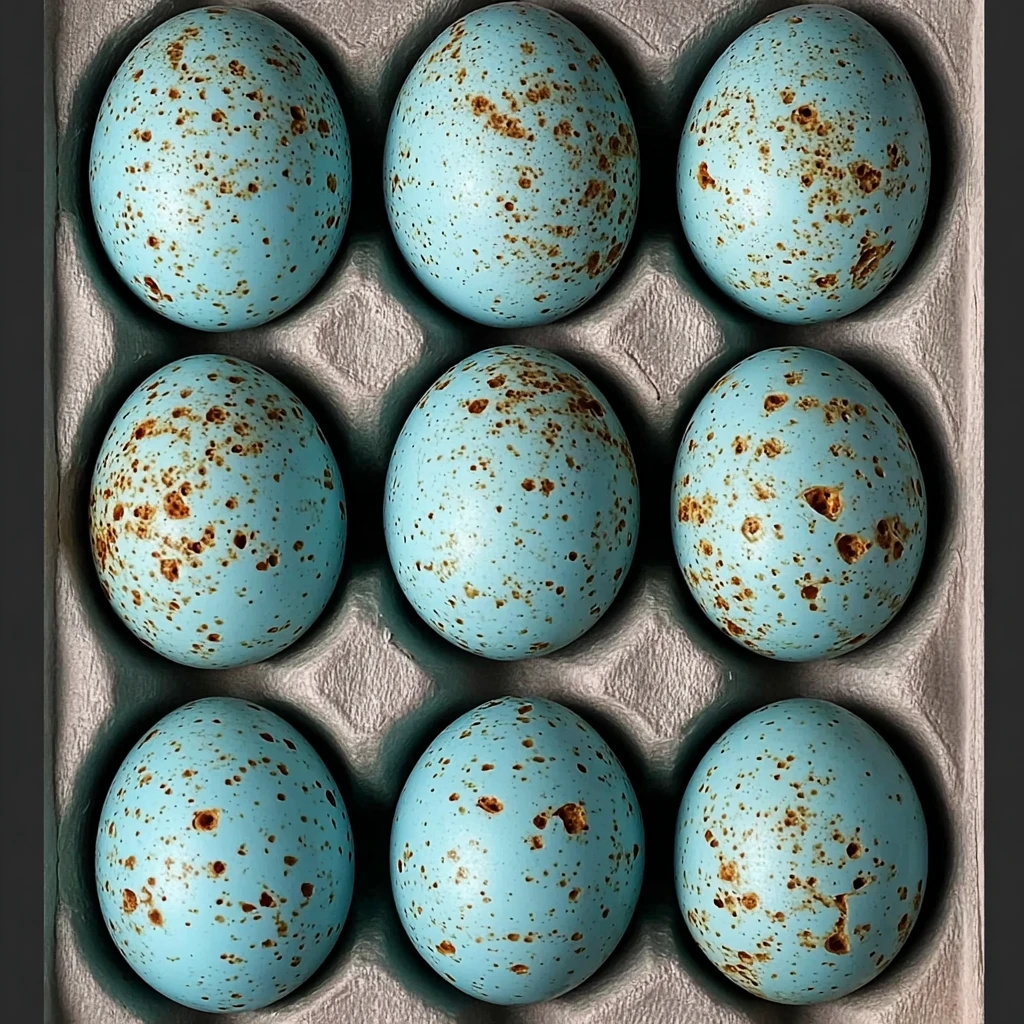
Delightful homemade peanut butter eggs with a crunchy candy shell drizzled in assorted colors, inspired by Robin’s Egg candies. These sweet treats are perfect for springtime celebrations or as a thoughtful homemade gift!
Ingredients
- 1 cup creamy peanut butter
- 2 cups powdered sugar
- 5 tablespoons butter, softened
- 1 teaspoon vanilla extract
- 1 cup white chocolate chips
- 1 cup candy melts (assorted colors)
Directions
- In a mixing bowl, combine creamy peanut butter, powdered sugar, softened butter, and vanilla extract. Mix until smooth and well incorporated.
- Shape the peanut butter mixture into egg-shaped ovals and place them on a baking sheet lined with parchment paper.
- Melt the white chocolate chips in a microwave-safe bowl, stirring frequently until smooth.
- Dip each peanut butter egg into the melted white chocolate, ensuring it is fully coated. Place the coated eggs back on the parchment paper.
- In separate bowls, melt the candy melts in assorted colors according to the package instructions.
- Using a fork or a spoon, drizzle the melted colored candy over the white chocolate-coated eggs to create a speckled effect, resembling Robin’s Egg candies.
- Allow the eggs to set at room temperature or in the refrigerator until the chocolate coating hardens.
- Once set, your Robin’s Egg Peanut Butter Eggs are ready to be enjoyed or shared with others!